
How to Detect Fake Air Jordan Sneakers: Complete Authentication Guide
Let’s get straight to it — the knockoff kicks market is genuinely enormous, and Air Jordans are the number one focus. Sector data estimate that replica sneakers make up about $450 billion in international trade per year, and Jordan Brand shoes make up a significant portion of that amount. Whether you’re buying from a reseller, an e-commerce platform, or even a local shop that feels a little suspicious, learning how to authenticate your pair is a must — it’s essential. I’ve personally inspected many hundreds of pairs over the years, and the fakes have gotten disturbingly accurate, above all since 2024. This resource walks you through every inspection point I use when authenticating Air Jordans, from the packaging to the outsole and every element. Keep this one, because it may rescue you from spending $250 on a pair of shoes that cost someone $12 to fabricate.
Open With the Box: Your Initial Line of Protection
Before you even pick up the sneakers, the box itself contains a set of clues that bootleggers commonly get wrong. Real Jordan boxes have a particular weight and tactile quality to the packaging material — it’s solid, with a subtle matte finish that reads as expensive to the feel. Examine the sticker on the end of the box for the right style code, size, and color name, then compare this information against Nike’s authorized product listings or established sources like Nike.com. The text on authentic labels find the best nike jordans here is clear and evenly spaced, while counterfeits commonly display uneven kerning, somewhat thicker text, or wrong font weights. Carefully examine the barcode label — read it with any scanning app and verify it displays the right product data. The tissue paper inside real boxes also has a specific texture and weight; replica wrapping frequently uses flimsier, low-grade paper that tears more readily. Many skilled verifiers can identify a fake within 30 seconds just by checking the box, so never bypass this important opening step.
Examining the Sneaker Craftsmanship and Materials
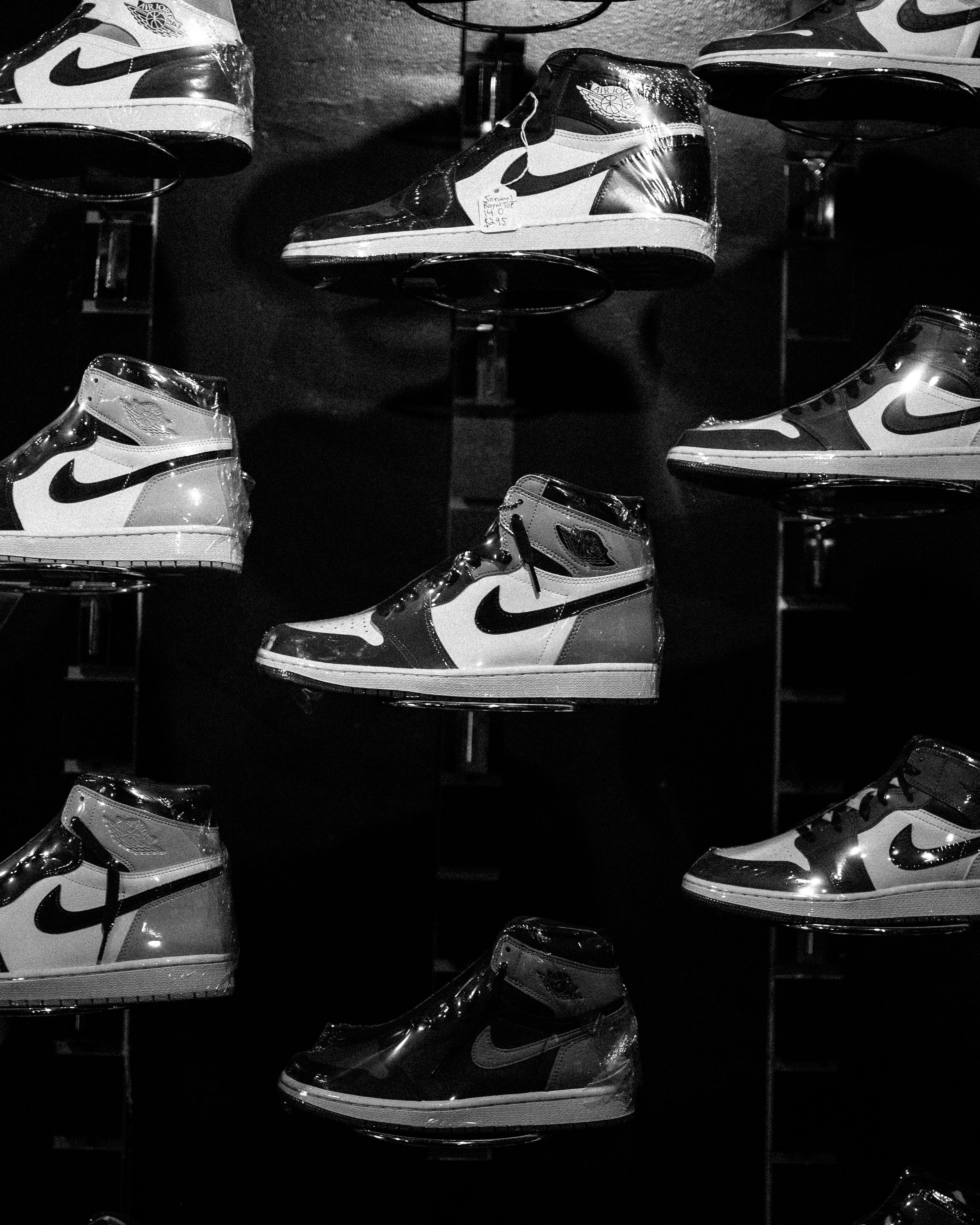
Genuine Air Jordans use high-quality hides with a soft, regular grain pattern across the complete upper — hold the pair and feel the leather firsthand. On the Air Jordan 1, real leather panels should be supple but supportive, not fake-feeling or overly stiff, and the tumbled leather on select releases should have a genuine, random texture rather than a machine-made, identical pattern. Stitching is one of the most reliable indicators: authentic pairs have tight, even stitches with no hanging threads, unraveling, or inconsistent spacing. Check the stitches on key areas like the swoosh and the wing flap — Nike uses accurate stitch numbers that vary by shoe and size, and fakers seldom replicate these accurately. The general shape of the sneaker matters too; legitimate Air Jordan 1s have a distinctive hourglass profile when viewed from the back, while many fakes look unnaturally straight or chunky. Run your finger along the midsole where it connects to the upper — authentic shoes have clean, even joining with no visible glue stains or openings.
The Bottom and Air Unit: Aspects That Fakes Fail On
Examine the outsole pattern closely against verified images from authorized releases by turning the sneaker over. Authentic Air Jordan soles have sharp traction patterns with well-cut lines and even depth across the full outsole surface. The rubber compound on real pairs has a characteristic firmness and mild translucency on particular models (like the Air Jordan XI’s translucent outsole) that replica makers fail to copy precisely. Squeeze firmly on the heel section to assess the Air unit — legitimate Nike Air units has a unique compression feel that budget foam replacements are unable to copy. On models with windowed Air units, like the Air Jordan 3, 4, or 5, check the Air bubble for transparency, correct sizing, and proper centering within the midsole window. The Jumpman figure on the outsole should be precisely rendered with no running or defects in the lines, and on the Air Jordan 3, the body ratios of the figure should match verified photos exactly. Shade consistency between the outsole and midsole is another giveaway — counterfeits regularly have small color differences that are at once visible when compared next to with authentic pairs.
Tags, Labels, and the Nike Size Tag Examination
For very good reason, the inside sizing label is likely the most closely examined component in shoe verification — it contains multiple layers of traceable data. Authentic Nike size tags display exact typefaces, letter spacing, and layout that update at intervals, so you should check against tags from the identical production run. The tag should display the correct product code matching the box, a make date that fits within the known release timeline, and manufacturer codes that align with authorized Nike production plants. In 2026, Nike size tags typically feature a scannable QR code alongside the traditional barcode label — verify both and ensure they lead to authentic product data. The printing quality should be clear with no bleeding, and the tag material itself should feel sleek and a bit waxy, not rough or cheap-feeling. I always suggest snapping the tag under zoom and comparing it against verified legitimate pairs from archives maintained by verification services like CheckCheck or Legit Check. If any particular aspect on the label appears wrong — incorrect font, incorrect spacing, strange feel — regard it as a red flag serious enough to walk away from the deal.
The Sniff Test and Other Non-Visual Inspections
This might feel odd if you’re new to legit checking, but skilled authenticators know that legitimate Air Jordans have a characteristic aroma that’s almost impossible to copy. Official Nike sneakers have a fresh, delicate rubber and leather aroma that comes from the actual components and glues used in official production facilities. Fake shoes frequently reek of harsh chemical fumes, strong cheap adhesive, or have an sprayed-on “new shoe” smell that’s been sprayed on to conceal factory fumes. Beyond odor, weigh the shoes — legitimate pairs within the same silhouette and size should be within a few grams of each other, and many legit-check guides share official weight specs for sought-after models. Press the sole carefully and listen; authentic Air units makes a faintly hollow, ringing tone, while knockoff foam replicas typically emit a duller sound. Examine the inside lining for uniform feel — genuine pairs have expertly installed interior fabrics without gathering, folds, or showing cement. These physical assessments support the visual check and give more clues that strengthen your total evaluation.
| Authentication Checkpoint | What to Look For | Common Fake Giveaways |
|---|---|---|
| Shoebox and labels | Right SKU, sharp text, scannable barcode | Sloppy text, mismatched font weights, barcodes that don’t scan |
| Leather and Materials | Soft grain pattern, uniform texture on all panels | Plastic-like touch, machine-stamped repeating textures |
| Stitch quality | Even spacing, correct stitch count, no loose threads | Uneven gaps, loose threads, mismatched thread colors |
| Bottom tread | Precise traction pattern, correct rubber firmness | Faint grooves, incorrect rubber formula, shade difference |
| Interior label | Accurate fonts, scannable codes, real factory identifiers | Blurry text, incorrect kerning, non-functional QR codes |
| Air Unit | Springy Air response, clean Air windows | Flat foam feel, cloudy or off-center Air bubbles |
| Scent | Clean leather and rubber smell | Pungent chemical or heavy adhesive smell |
Using Technology and Expert Authentication Services
Digital tools and paid verification services serve as an critical second opinion when your own examination leaves you uncertain. Apps like CheckCheck and Legit Check by Ch enable you to submit high-resolution photos and be sent expert assessments, usually within a few hours, for a cost between $5 and $15. Ultraviolet checking reveals invisible features — authentic Nike shoes often have specific ultraviolet-reactive stamps and bonding patterns put during quality control in licensed factories. Some authenticators pick up digital microscopes (priced for under $50) to scrutinize thread quality and print clarity at magnifications that show even the most high-quality counterfeits. In 2026, Nike’s own SNKRS app offers enhanced legit-check tools for direct buys, including blockchain-based proof-of-authenticity records for select exclusive releases. Never be reluctant to use various checking techniques simultaneously — expert checkers use a floor of five checkpoints before issuing a verdict, and you should use the same protocol for any transaction above $150.
Where to Buy and Danger Signs to Avoid
The most foolproof way to sidestep fakes is shopping from official retailers, Nike directly, or reputable resale marketplaces with integrated legit-checking. StockX, GOAT, and eBay’s Authenticity Guarantee all utilize expert authenticators who inspect every pair before shipping. Be very careful of Instagram sellers advertising “steals” on hyped colorways — if a $400 shoe is available for $150, there’s a reason. Look out for sellers who won’t provide extra photos, push quick sales, or require non-reversible payments like crypto or prepaid cards. Brand-new profiles, non-original photos instead of actual product images, and vague product info are huge danger signals. Always insist on time-and-date-marked photos with the seller’s name present before going through with private sales. The cardinal rule hasn’t changed: if the listing feels too good to be true, walking away is always cheaper than getting stuck with fakes.
Leave a Reply